Wound Care
Wound Debridement Devices and Specialty Tools
Effective wound healing begins with proper wound bed preparation — and the right debridement tool depends on wound type, care setting, and provider scope. RMS sources across debridement device categories for APPs, podiatrists, vascular surgeons, and independent wound care clinicians, with clinical context built into every sourcing conversation.
Clinical Insight
The Right Tool Changes the Outcome — and the Bill
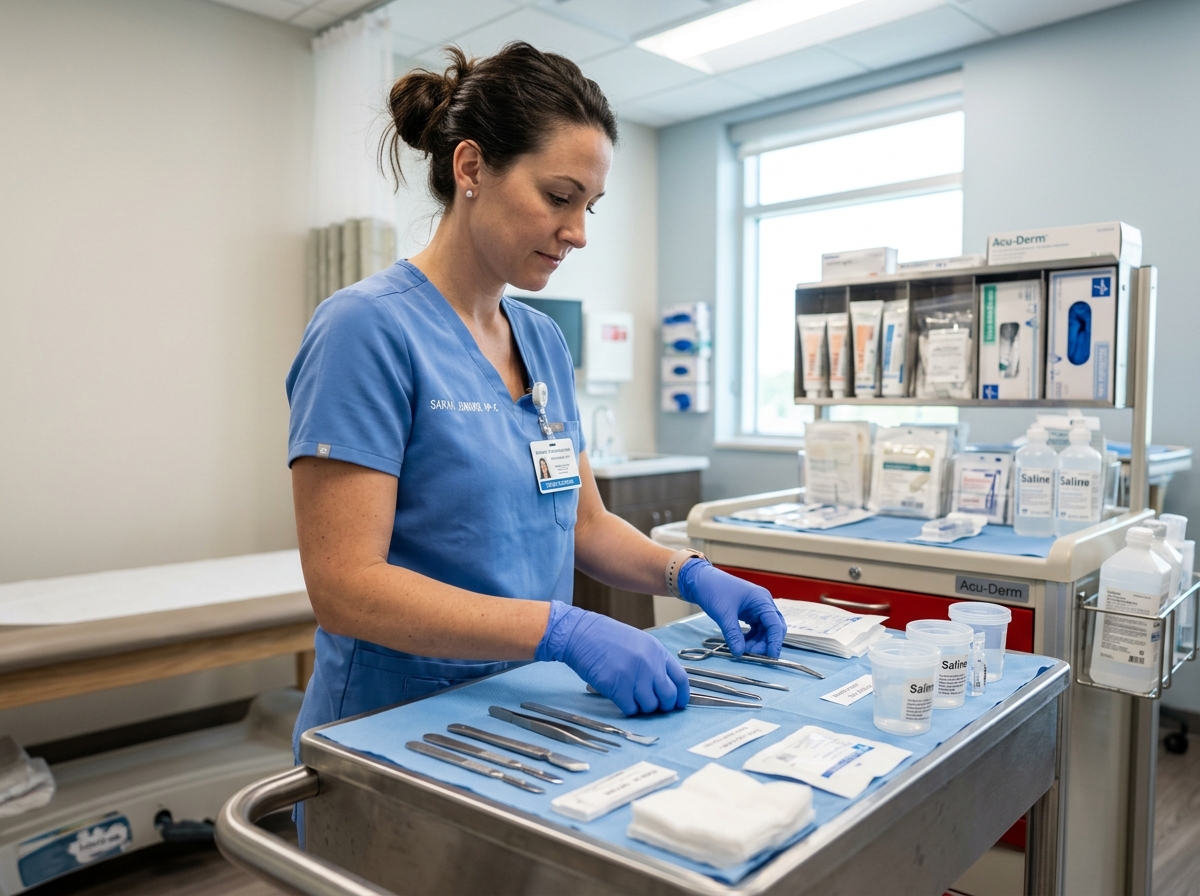
There is no universal debridement device that is right for every wound presentation. Device selection is shaped by the tissue you are working with — necrotic tissue, slough, biofilm — the clinical setting, and the provider's scope of practice. These variables interact, and getting the combination wrong affects wound healing trajectory and patient outcomes. What most distributors won't walk you through when you're placing your first order: the type of wound and payer coverage dictate the clinical direction of your treatment plan. RMS's Provider-led team factors these clinical and operational realities into sourcing conversations — not as an add-on, but as part of how the partnership works.
Learn About Practice Support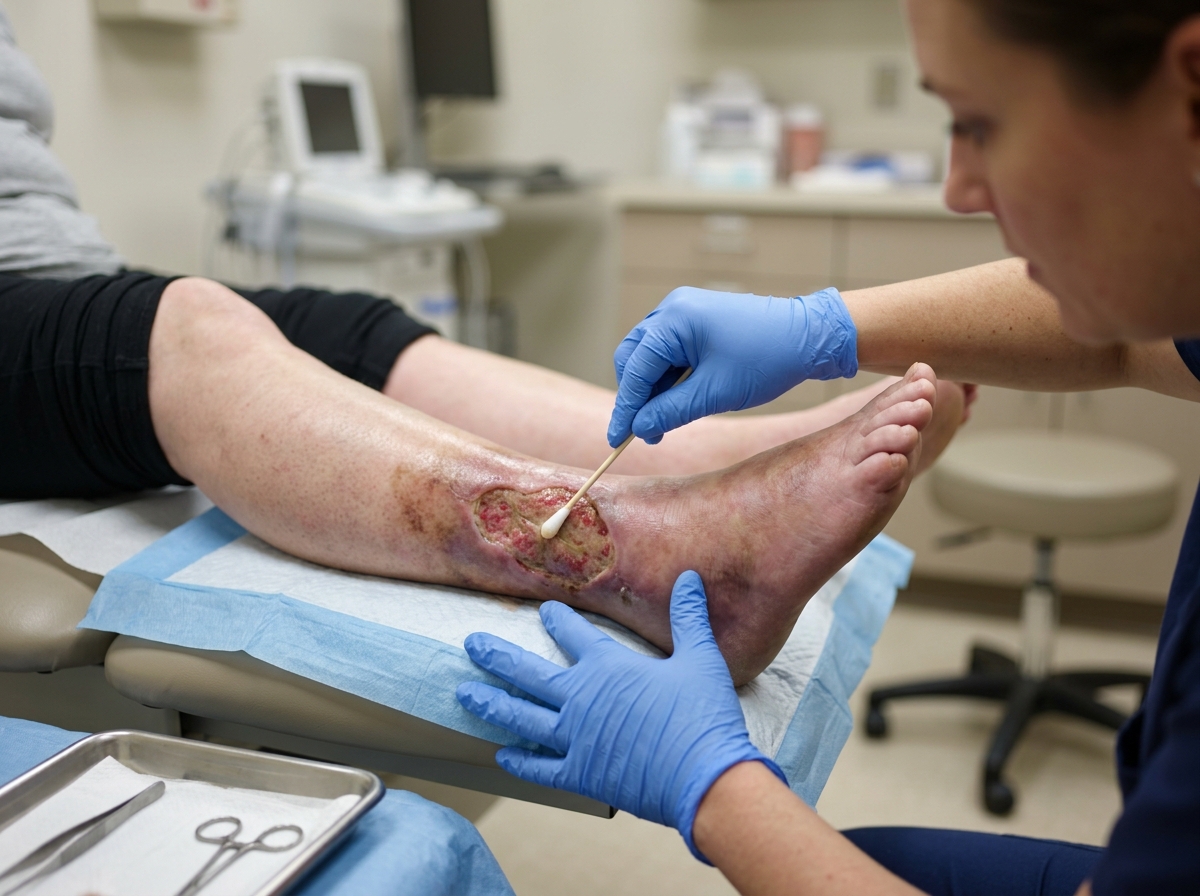
What We Source
Debridement Device Categories
RMS sources across the device and product categories wound care clinicians actually need — with clinical application context, not catalog descriptions.
XsonX
XsonX delivers advanced wound debridement through targeted technology designed to disrupt and remove non-viable tissue, slough, and biofilm from the wound bed. Appropriate across a range of chronic and non-healing wound presentations, XsonX supports effective wound bed preparation for NPs, podiatrists, and vascular surgeons in both clinic and mobile care settings.
Request More Information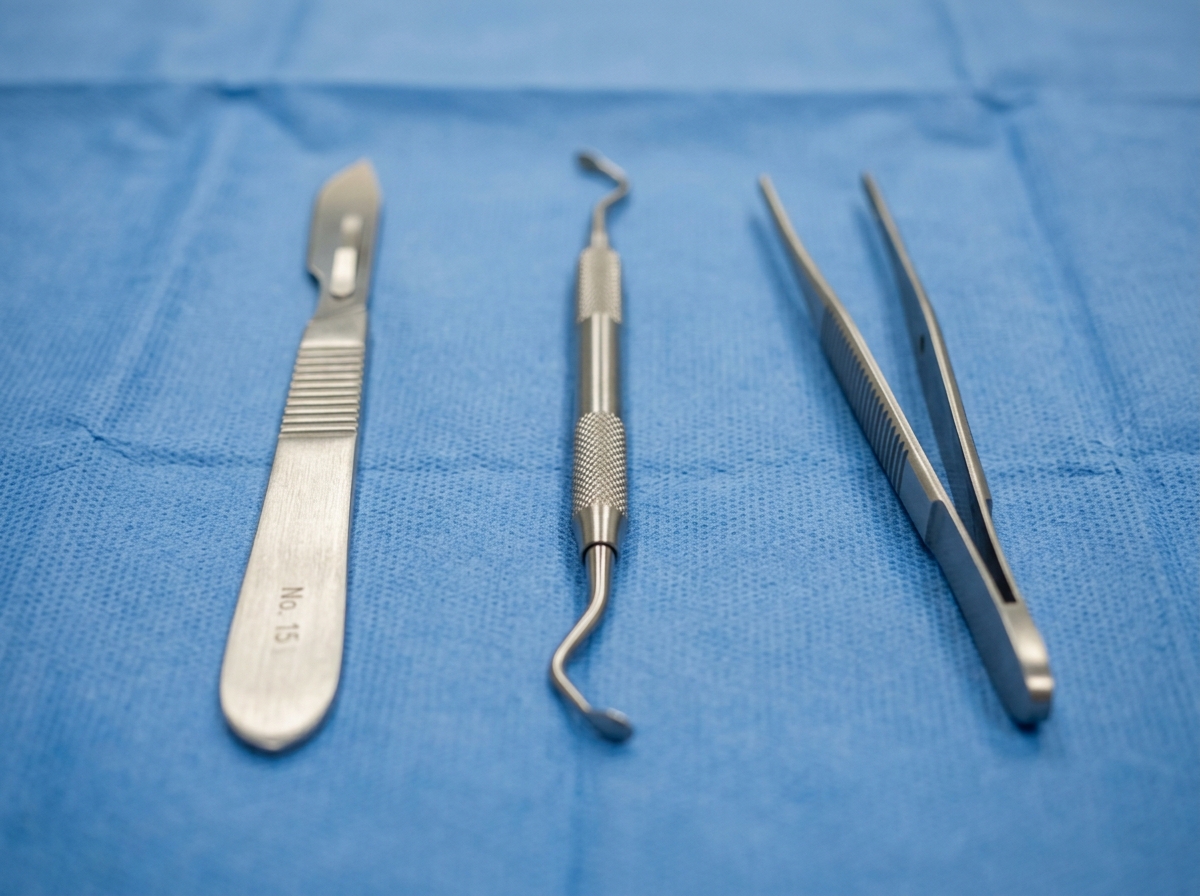
Non-Contact Debridement Devices
Devices that use mechanical or ultrasonic energy to disrupt and remove necrotic tissue, slough, and biofilm from the wound surface. Appropriate for wound care clinics and mobile wound care providers managing chronic and non-healing wounds where mechanical removal complements other wound bed preparation strategies. Sourced at the category level — RMS does not limit device conversations to a single brand or vendor relationship.
Request More Information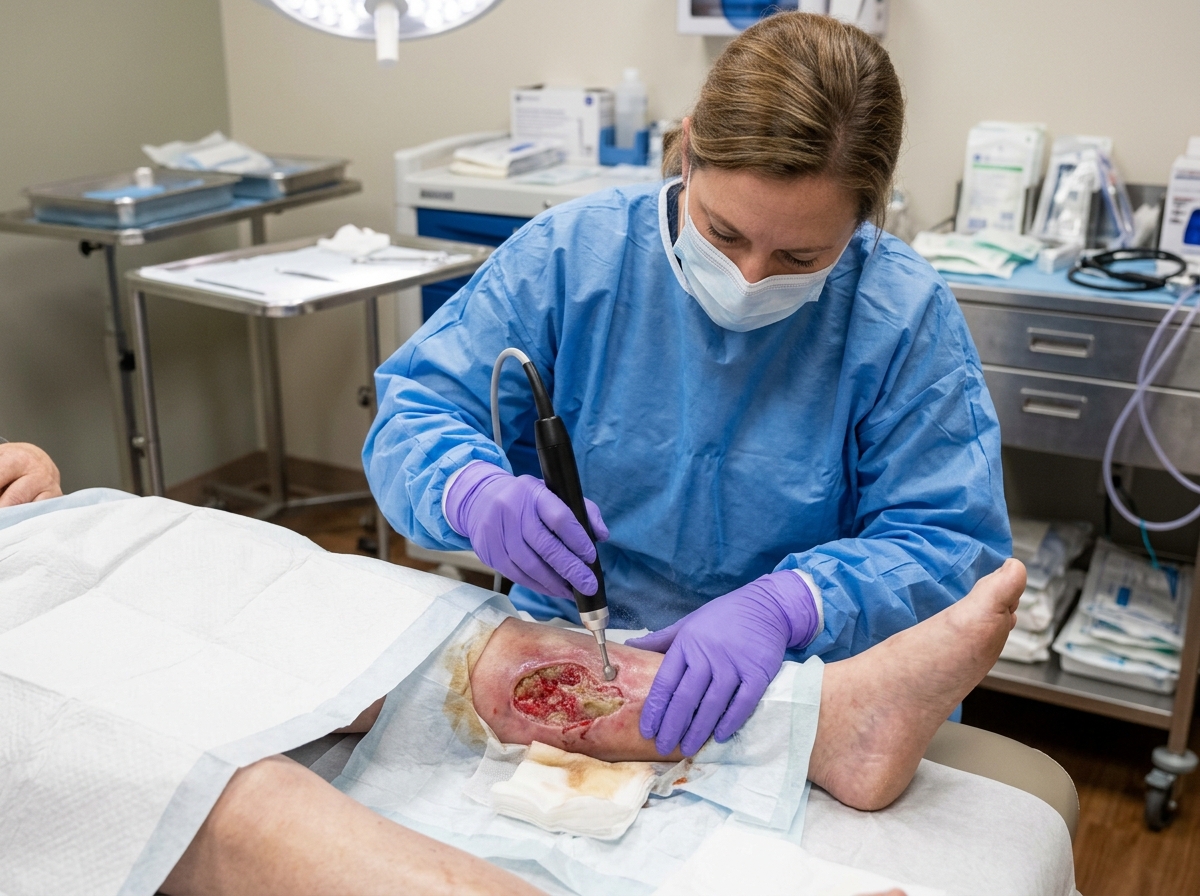
Wound Preparation & Debridement Support Products
Adjunct products that support the debridement workflow — wound irrigation systems, wound preparation solutions, and related tools that optimize the wound bed before and after debridement. Used across all debridement settings as part of standard wound bed preparation protocol. Foundational to effective wound management regardless of the primary debridement modality applied.
Request More Information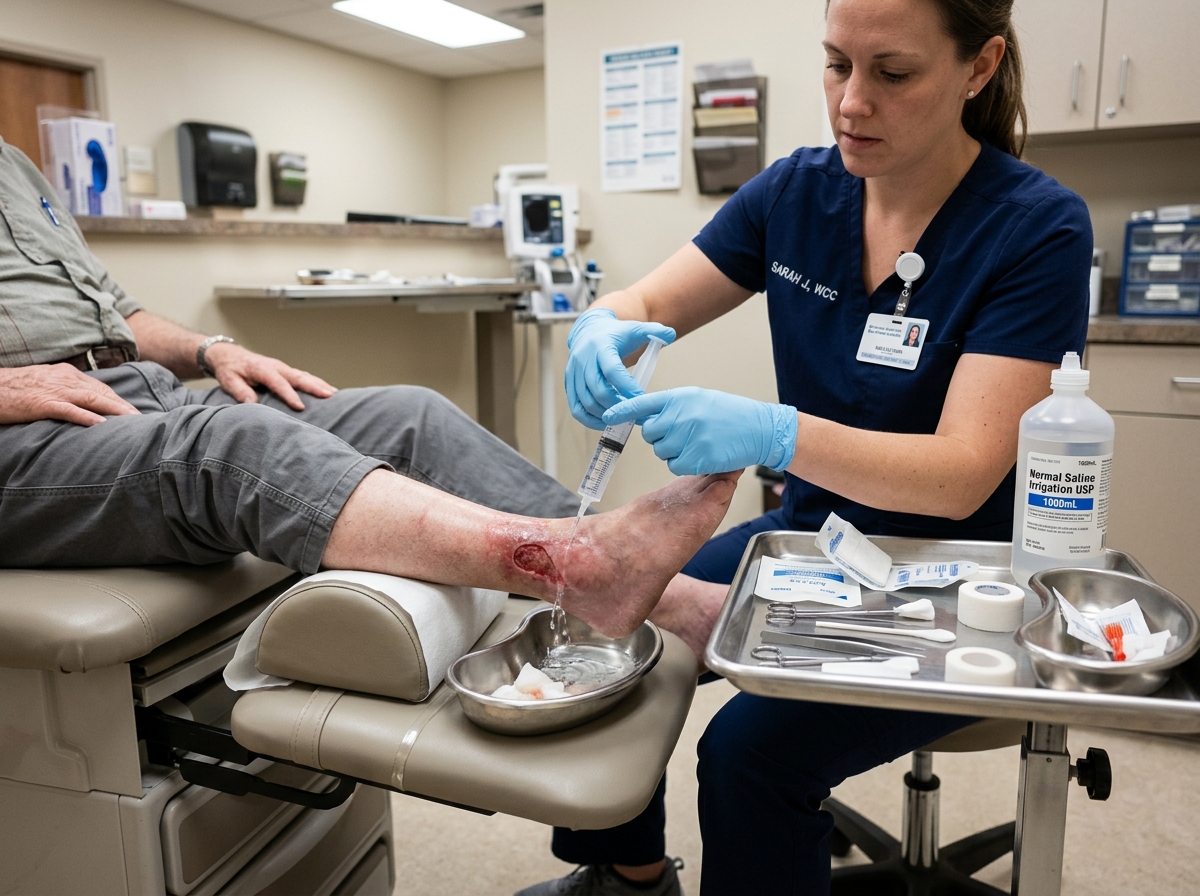
Who We Serve
Built for the Clinicians Who Do This Work
Debridement looks different across specialties and practice settings. RMS sources accordingly.
New & Early-Stage Practices
RMS helps NPs and new clinicians identify the wound care products for a new practice that fit their scope, care setting, and patient population — without navigating a distributor catalog alone or learning by trial and error.
Podiatrists
Diabetic foot wounds, nail and foot pathology, and the specific instrument requirements of podiatric wound care are distinct from general wound management — RMS understands the anatomical and procedural context.
Vascular Surgeons
Chronic and lower extremity wound management involves debridement as one component of a broader wound care workflow that may also include Advanced Wound Therapy and Specialty Wound Dressings.
Mobile Wound Care Providers
Product sourcing for mobile providers requires tools that are practical and appropriate for non-facility settings — RMS sources with equipment constraints and care setting realities in mind.
RMS didn't just send a catalog — they walked us through which debridement tools were actually appropriate for our patient population and clinical setting. That conversation saved us from sourcing decisions that would have cost us time and reimbursement before we even got started.

More Than a Distributor. A Sourcing Partner Who Knows the Work.
RMS is a chronic wound treatment products distributor built on clinical expertise — provider-owned, RN-operated, and structured to support practices through sourcing decisions, not just fulfill orders.
Tell Us About Your Practice. We'll Help You Source the Right Tools.
Not sure exactly what you need yet? That's exactly the kind of conversation we're built for. Reach out and a member of our team will follow up directly — no call centers, no delays.